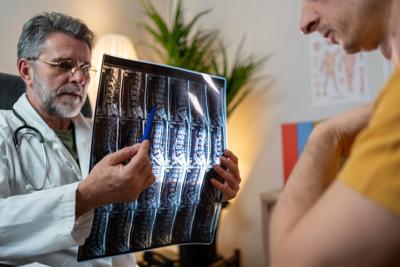


The spinal cord is delicate, since it is made up of nerves that can be damaged easily, which could affect multiple parts of the body. When injuries occur that damage the nerves in the spinal cord, they can permanently change nearly every aspect of a person’s life.
Because the spinal cord carries nerve signals from the brain to other parts of the body, damage to it can disrupt a person’s ability to move, feel sensation, and perform basic bodily functions.
Levels of Spinal Cord Injuries
When the spinal cord is injured, the brain’s ability to send and receive messages may be slowed, altered, or stopped entirely. The extent of the disruption will usually depend on where a spinal cord injury has occurred and how severe the damage is.
People are also reading…
The spine is divided into regions: the cervical spine in the neck, the thoracic spine in the upper and mid-back, the lumbar spine in the lower back, and the sacral spine in the pelvic area. Injuries at different levels can affect different parts of the body.
Cervical Spine Injuries
The most serious spinal cord injuries may take place in the neck. This region controls signals to the neck, arms, hands, and much of the upper body, as well as the muscles involved in breathing.
Damage in this area can result in paralysis affecting all four limbs, a condition often referred to as quadriplegia or tetraplegia. Depending on the specific location of an injury and its severity, a person may lose the ability to move or feel their arms and legs, and they may require assistance with breathing, eating, or other vital functions.
Thoracic Spine Injuries
From the areas of the spinal cord in the upper back, signals may be sent to the chest, abdominal muscles, and parts of the back. Injuries in this part of the spine may affect a person’s trunk and legs, but they may still be able to use their arms or hands.
People with thoracic spinal cord injuries may experience paraplegia, or paralysis of the lower half of the body. Balance, posture, and core strength can be affected, which may affect sitting, standing, and transferring from one position to another.
Lumbar Spine Injuries
The lumbar region of the spinal cord controls signals to the hips, legs, and feet. Injuries at this level of the spine may result in paraplegia, but a person’s upper body function will usually be preserved.
People with lumbar injuries may have varying levels of control or sensation in the legs. Some may be able to walk with assistive devices, while others may rely on wheelchairs.
Sacral Spine Injuries
Injuries to the lowest part of the spine may affect the hips, bowels, bladder, and sexual functions. Leg movement may be less severely impacted, but a person may experience some loss of sensation and function. However, even if a person can maintain mobility, disruptions to bowel or bladder control can significantly affect their daily routines and quality of life.
Complete and Incomplete Spinal Cord Injuries
The severity of a spinal cord injury will often depend on whether it is complete or incomplete. A complete injury will usually involve severe damage to the spine, such as when the spinal cord is cut or torn or when most of the nerves at a certain level are destroyed. In a complete spinal injury, the loss of movement and sensation below the location of the injury will usually be total.
In an incomplete spinal cord injury, some signals will still be able to travel through the spinal cord. The nerves in the spinal cord may not be completely severed, but they may experience some damage that will disrupt messages sent throughout the body. An incomplete spinal injury may result in partial paralysis, weakness, numbness or other issues affecting sensation, or a partial loss of function.
Ongoing Physical and Medical Challenges for Spinal Cord Injury Victims
While paralysis can be one of the most serious concerns affecting victims, spinal cord injuries can lead to a range of other ongoing health issues. These may include chronic pain, muscle stiffness or spasms, breathing difficulties, and problems with circulation.
Emotional and Psychological Effects
The emotional impact of a spine injury can be significant. A person may experience feelings of grief, frustration, or anxiety as they adjust to changes in their abilities and a loss of independence.
Families and loved ones may also be affected. They may need to take on caregiving roles and make changes to the ways household responsibilities are managed. These adjustments can lead to strain on relationships and the daily lives of victims and those around them.
The Immediate Recovery Period
In the early stages after a spine injury, the medical treatment provided will often focus on stabilizing the injury, preventing further damage, and managing complications. Lengthy periods of hospitalization may be required. Rehabilitation may involve physical therapy, occupational therapy, and other forms of support.
Long-Term Life Adjustments
In the months and years after a spine injury, a victim and family will need to make ongoing adaptations to their lives. A person will need to understand how to use different mobility aids that will allow them to move around and complete daily tasks. Modifications to a family’s living space may be required to accommodate a wheelchair or other methods of movement. In some cases, a victim may need ongoing personal assistance to help with daily activities.
The Broader Impact of Spinal Cord Injuries
The effects of spinal cord injuries often go beyond physical impairment. A catastrophic injury can affect nearly every aspect of a person’s daily life. When injuries have been caused by the negligence of others, such as in car accidents, a personal injury attorney can help a victim understand their options for obtaining financial compensation that will cover their past medical care, future medical treatment, income lost due to ongoing disabilities, and other ways they have been affected.