

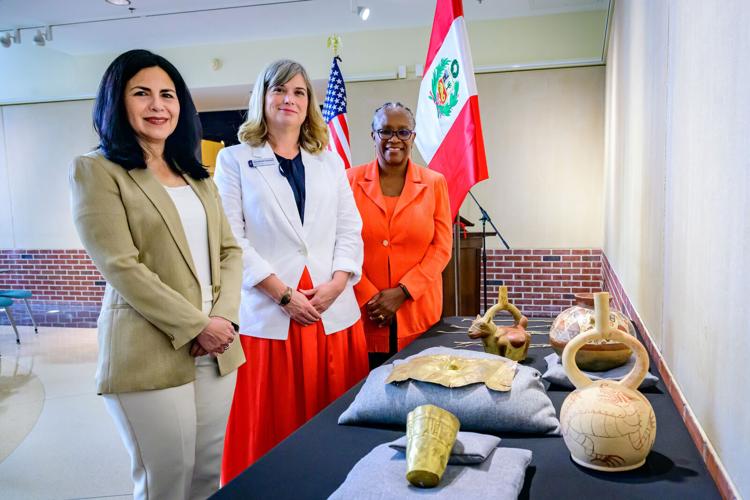
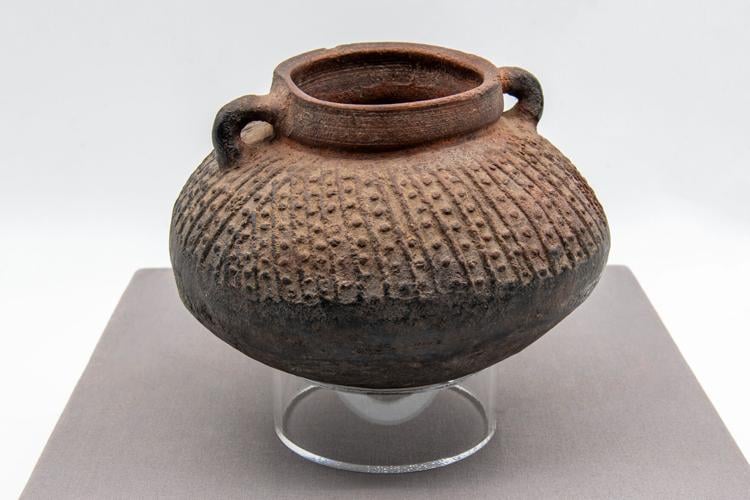
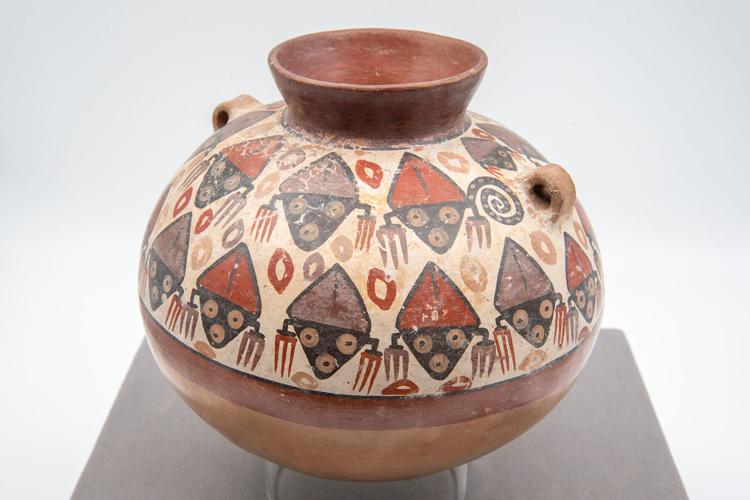
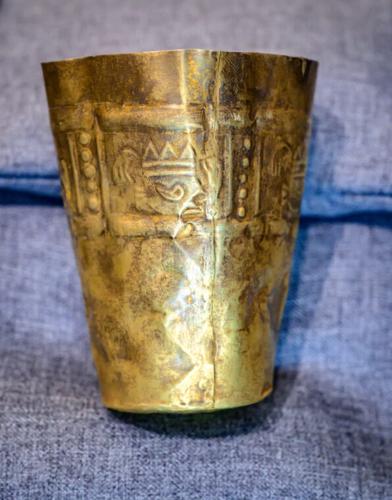
CHAMPAIGN, Ill. — Spurlock Museum of World Cultures at the University of Illinois Urbana-Champaign is returning 201 objects from its collection to Peru. This is the museum’s first voluntary international repatriation, the result of several years of review and research into the objects in its collection and how they were acquired.
Most museums have objects that were collected without consideration of the rights, wishes and cultural values of the communities that produced them, said Spurlock Museum director Elizabeth Sutton. She said that, rather than reacting to a request that an object be returned, Spurlock Museum officials chose to be proactive and review how the objects in their collection were acquired.
“Voluntary repatriations are happening, but not in large numbers. We’re at the beginning of what I see as becoming standard museum practice in the future,” Sutton said.
People are also reading…
“Spurlock Museum cares for artifacts and objects that have been part of the U. of I. story since the university opened,” she said. “It’s not an easy thing to figure out what’s best for these objects when they’ve been removed from their country for more than 100 years, but it’s about building relationships and trust. We want to be transparent, open and honest. This is what we should be doing to do our work in ways in which we can be proud.”
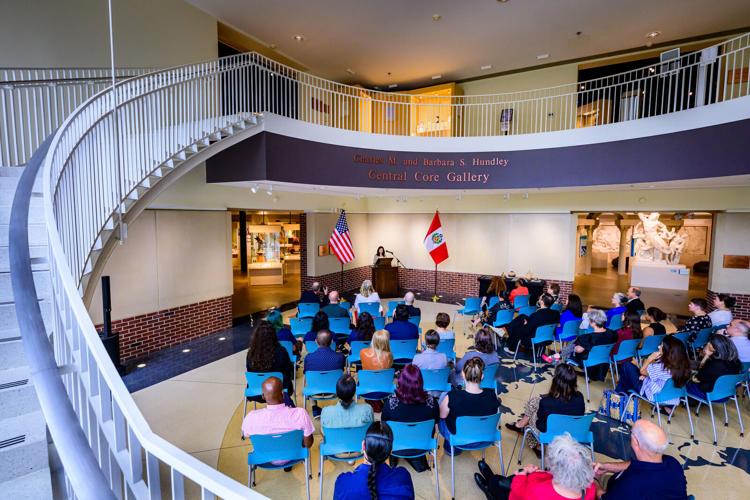
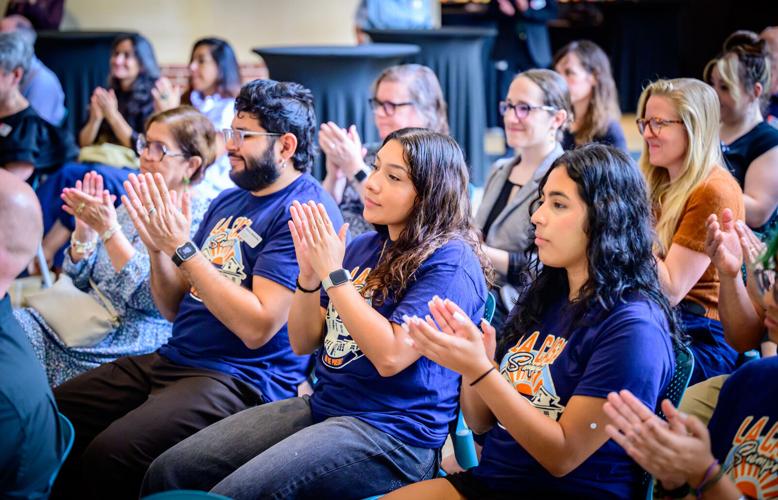
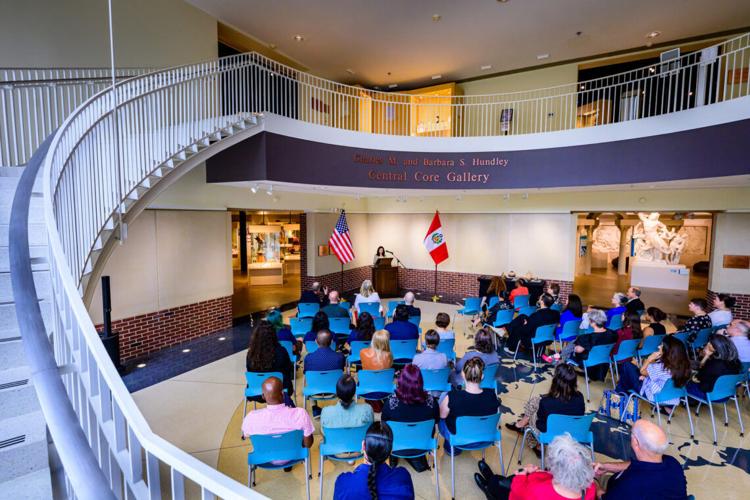
The museum held a repatriation ceremony on Sept. 10 to mark the return of the objects to Peru.
“What we celebrate today goes beyond the return of a collection of cultural objects,” said Verónika Bustamante Gómez, the consul general of Peru in Chicago, speaking at the ceremony. “It’s an opportunity to recognize our shared history and reaffirm our commitment to preserving them and ensuring they remain available to future generations. It’s a powerful affirmation that the friendship between our two countries continues to be built on mutual respect, institutional cooperation and recognition for the history we share.”
Bustamante Gómez noted that the ceremony comes during the bicentennial year marking 200 years of diplomatic relations between the U.S. and Peru.
The museum has 50,000 items in its collection that have been amassed since 1874 through donations, purchases and archeological projects. Collecting practices have changed considerably over time. In the past, museums usually accepted items unless it was clear they were obtained illegally, Sutton said.
“That is no longer a good standard for deciding what to accept into our collection,” she said. “It was time to do a systematic review and be very careful in how and what we’re collecting. Especially as a land grant institution, we have to be very careful because we hold our collections in the public trust.”
Three years ago, the museum added a manager of repatriation and ethical practice. The new position enabled full-time work on reviewing the collection, and the Peruvian items quickly became a focus.
“It seemed the Peruvian collection of art and objects was very problematic in terms of where they came from and how they were collected. It set off a lot of red flags for us,” Sutton said.
The review was a lengthy and painstaking process of researching each object and looking for documentation on how it was collected and how it came into the museum’s possession — for example, as evidenced by an excavation permit or import paperwork. The Peruvian items in question are several hundred years old and were acquired by the museum in the 1960s or before, mostly from donations by collectors or people with Illinois connections, such as professors or alumni, none of whom had nefarious intentions in acquiring the objects, Sutton said.
“It is very common in different countries to go to a market and buy what’s there, and you don’t question it because it is a public market,” she said.
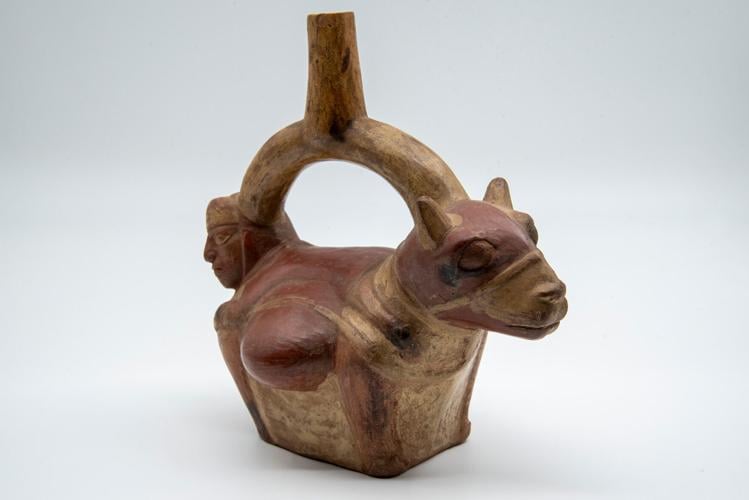
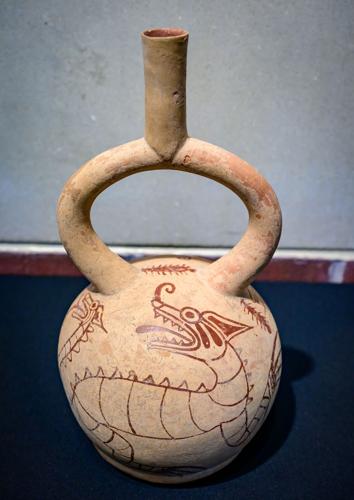
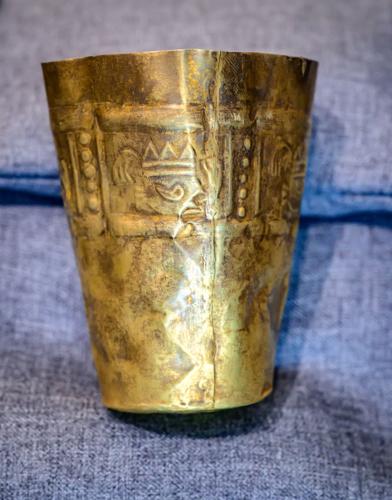
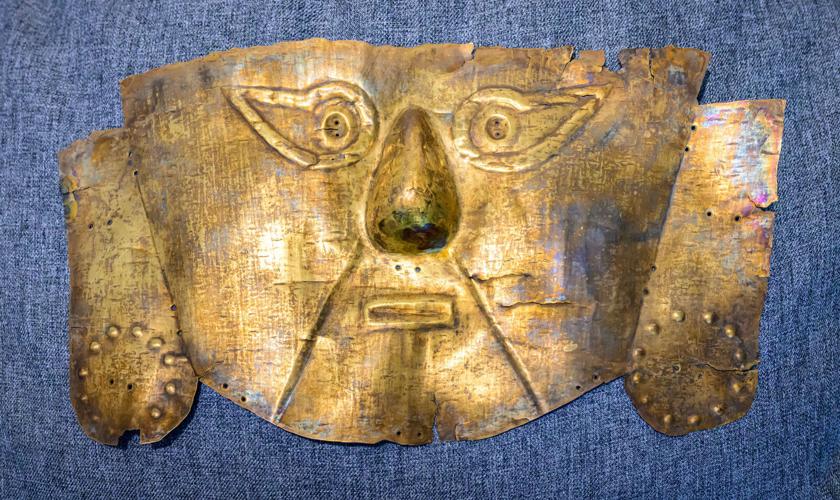
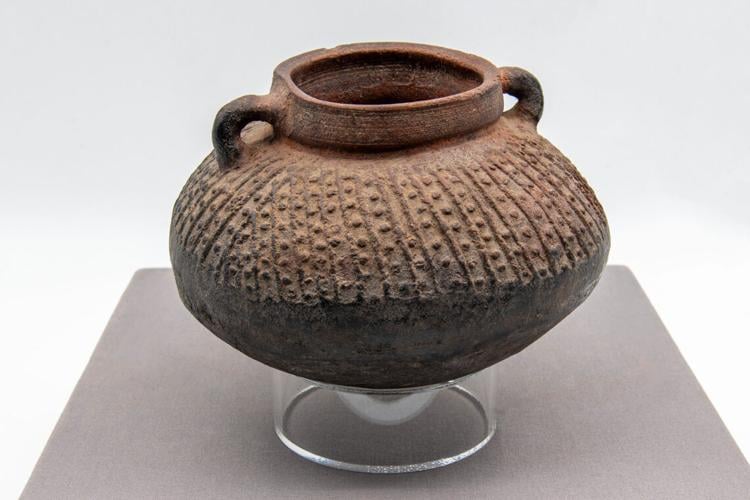
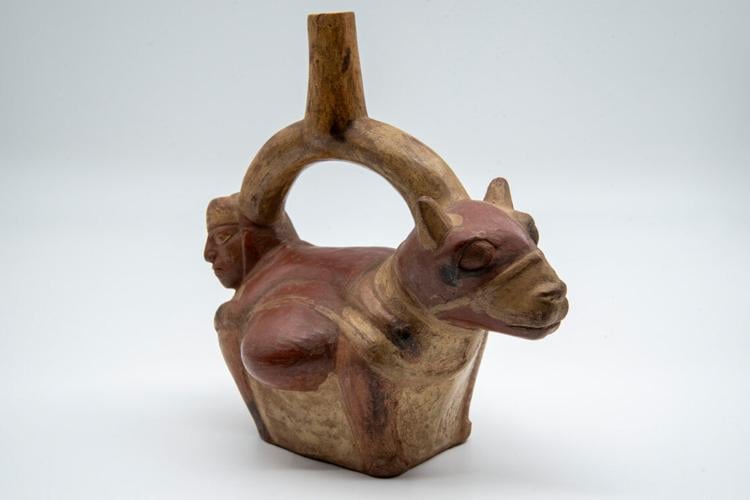
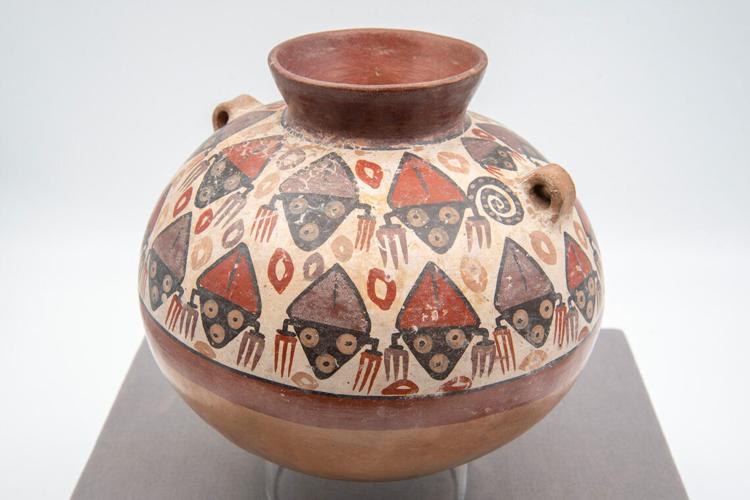
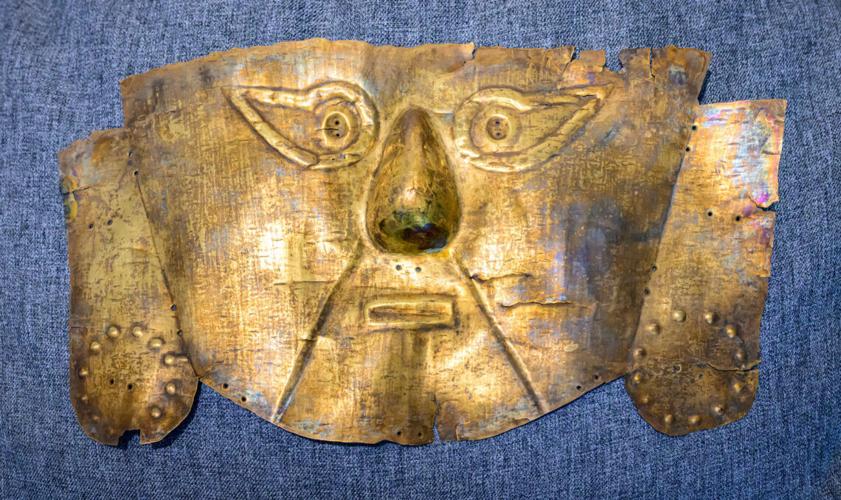
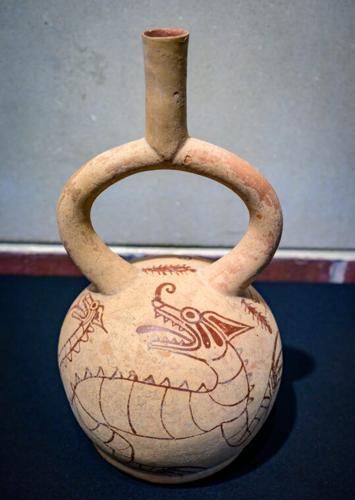
The Peruvian objects deemed to be problematic include many ceramics, a gold funerary mask and some textiles that appear to be funerary items. Sutton, who has an archaeology background, said it was clear that the ceramics were likely removed from tombs because they are mostly intact, and ceramics that are found through archaeological excavations are usually broken in pieces.
“Most of the time, if it’s from a tomb, there were probably no permits. The international movement of works of cultural heritage is very regulated and it has been for long time. If there is no paperwork that says the objects went through the proper government channels, they are probably problematic,” she said.
Museum officials contacted the Consulate General of Peru in Chicago about the objects of concern. That office worked with Peru’s Ministry of Culture to determine what objects should be returned to Peru.
Bustamante Gómez said the objects being returned are associated with pre-Hispanic cultural sites and traditions. She said that the preservation of cultural history is a shared responsibility, and Spurlock Museum’s decision to voluntarily and proactively return the objects is part of the growing international protection of cultural history.
“Peru’s vast archaeological heritage is an essential part of our national identity and collective memory and the history of humanity,” she said.
Many of the items being returned had little or no information or documentation about how they were collected, but not all Peruvian items in the museum’s collection are problematic. There are many items that remain in the collection with documentation showing a clear chain of custody and that they were acquired legally, Sutton said.
“Lots of people may see this as a loss, but it’s really a possibility of setting up for potential future projects and collaborations to benefit our students,” Sutton said.