



CHAMPAIGN, Ill. — Researchers analyzing discarded nicotine vapes have found extremely high levels of lead and other metals in the liquid used in many popular disposable e-cigarette devices, raising new concerns about both public health and the fast-growing piles of vape waste.
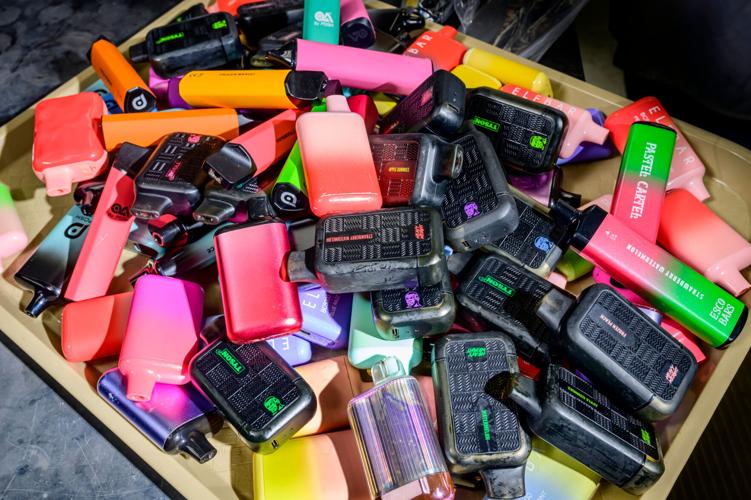
The study, led by Andrew Turner of the University of Plymouth in the U.K. in collaboration with Illinois state pollution prevention scientist and Illinois Sustainable Technology Center researcher John Scott and fellow ISTC research scientist Maya Dabrowski, focused on used disposable nicotine vapes collected from a vape shop’s trash stream, rather than on unused devices taken straight from store shelves. By examining what actually ends up in the waste stream, the team examined what is in these products and what problems they create once they are thrown away.
People are also reading…
“Vaping is a twofold problem,” Scott said. “Number one, it’s a solid-waste problem — a major solid-waste problem. And number two, it’s a health issue. People say it’s a better alternative to cigarettes. It’s just as bad, if not worse.”
The project began as a collaboration between researchers in the U.S and the U.K. who were worried about the volume of vape devices being discarded. In the U.S., the research team estimates that hundreds of thousands of disposable vapes are thrown away every day. In the U.K., the number may reach millions per week.
In the U.K., Turner obtained waste vapes from a shop and, out of curiosity, squeezed some of the remaining liquid out of the wick and tested it using a portable X-ray fluorescence device. The team was startled by the initial data, which showed lead levels were far higher than expected, high enough that the U.S. team initially doubted the numbers.
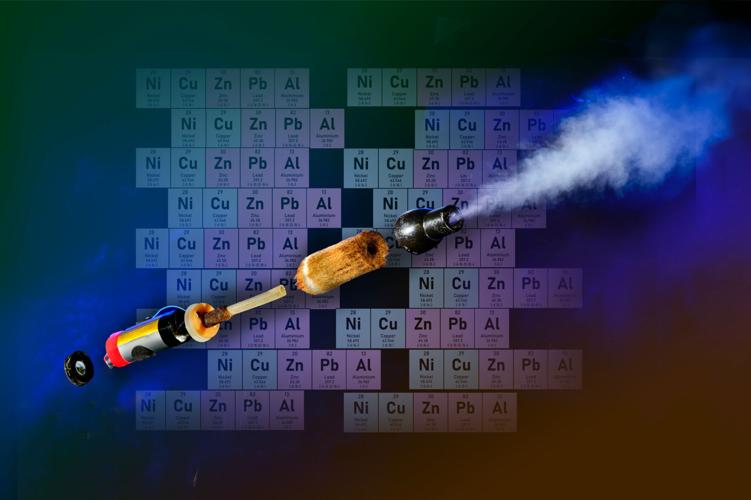
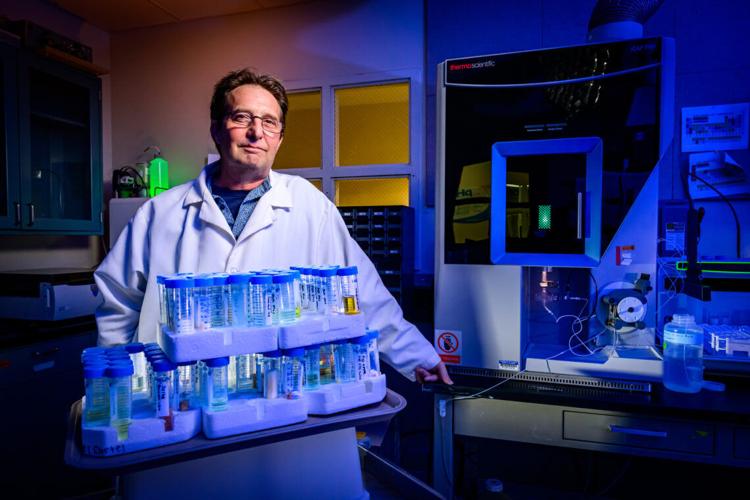
Back in the U.S., Scott’s team collected used disposable nicotine vapes from a Chicago-area vape shop’s waste stream. They disassembled common models and carefully removed the wicks, extracted the liquid and analyzed it with laboratory techniques to confirm the metal content. They also bought a small number of unused devices and tested them. Those results matched the used vapes, suggesting that the contamination is present from the start, not created through use.
The analyses from the U.S. team revealed that the vape liquid contained extremely high levels of lead — among the highest ever reported in an e-cigarette product. Lead did not appear in the device hardware, like solder joints or heating elements, at levels that could explain the contamination. Instead, the oil itself was the source of the lead.
“There was one brand in particular that stuck out,” Scott said. “It was almost always a problem — not only containing lead, but also zinc and copper at extremely high levels. As it turns out, that brand is also the cheapest. So now there’s an environmental justice angle, because people who can’t afford the more high-end vapes have a higher potential to be exposed to these heavy metals.”
The team also looked at the pH of the liquids to better understand how the lead might be present chemically, and whether acidic conditions might have leached metals from other components. Their findings support the idea that the metals are already in the oil, not simply dissolving in from the device.
The study did not directly test whether those metals transfer into the vapor people inhale or how much of that metal, if any, reaches the lungs during normal use.
Yet even without knowing for sure how and if contaminants might be transferred to the vapor phase, the presence of such high metal concentrations in the liquid itself is enough, the team said, that the results warrant serious concern and stronger regulation — especially given that some health authorities have promoted vaping as a safer alternative to smoking.
The way different countries regulate vaping further complicates the picture.
“In some places, flavored products are restricted or separated from nicotine-containing products,” Scott said. “Regulations on testing contaminants like solvents may exist, but heavy-metal testing is not always visible or clearly communicated to consumers. Also, labeling and font sizes often make it nearly impossible for consumers to read detailed safety information, even when present.”
Beyond potential health effects, the researchers stress that disposable vapes are creating a serious solid-waste problem. They contain batteries, circuitry, plastics and metal-containing liquids in a compact package that is hard to disassemble and recycle. Many vape shops and consumers stockpile used devices or bring them to occasional hazardous-waste events because there’s no clear system for proper disposal. However, many devices end up in regular trash because stores and consumers simply don’t know what to do with them. When disposable vapes are thrown away in the regular trash, the contaminated liquid could leach heavy metals like lead, copper, zinc and nickel into landfill leachate, increasing the risk of groundwater contamination if that leachate is not properly collected and treated.
In the U.K., mismanaged discarded vapes have been linked to fires in waste systems. According to the study, roughly one such fire per day is connected to vape batteries being crushed or damaged in the waste stream.
“Getting the battery out of these things was a nightmare because it was very difficult to crack a lot of them open,” Scott said. “Making the battery easily removable could potentially solve that fire problem, and then that battery can be recycled.”
The team said that better product design could drastically reduce these risks. That includes designing housings that allow easy battery removal, using recyclable plastics and considering refillable systems instead of single-use disposable devices. However, Scott said that manufacturers may have little incentive to make products longer-lasting or easier to take apart, because disposability drives repeat sales.
The study called for clear, accessible communication about the contents and risks associated with vaping — not only in product labeling and regulation, but also in how scientific findings are shared through media.
The findings are published in the journal Environmental Monitoring and Assessment.


