
DECATUR — The Good Samaritan Inn needs to raise $410,000 by June.
People are also reading…

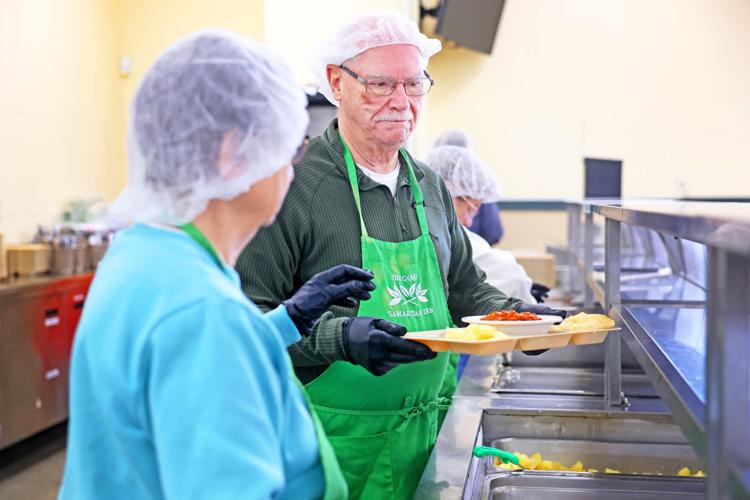
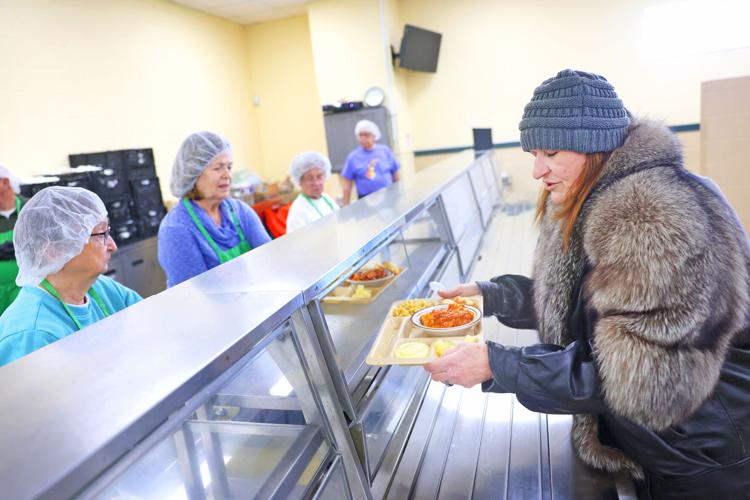
Virginia and Thomas McQuistion, volunteers from First United Methodist Church, serve meals for the Noon Meal program at Good Samaritan Inn in Decatur on Tuesday, Dec. 16.

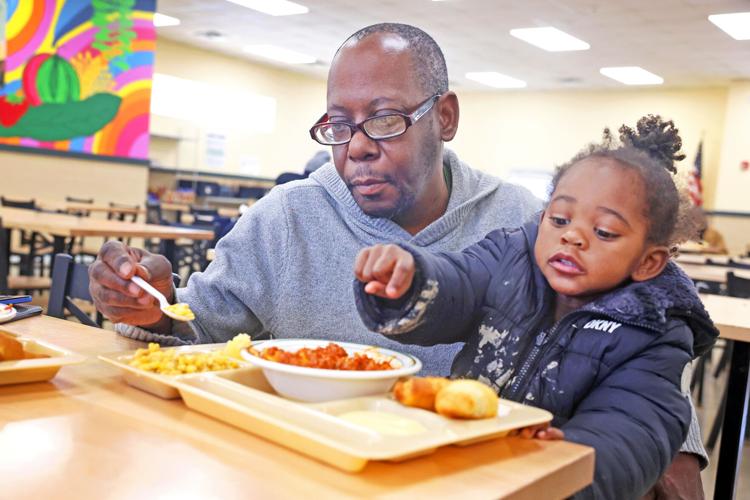
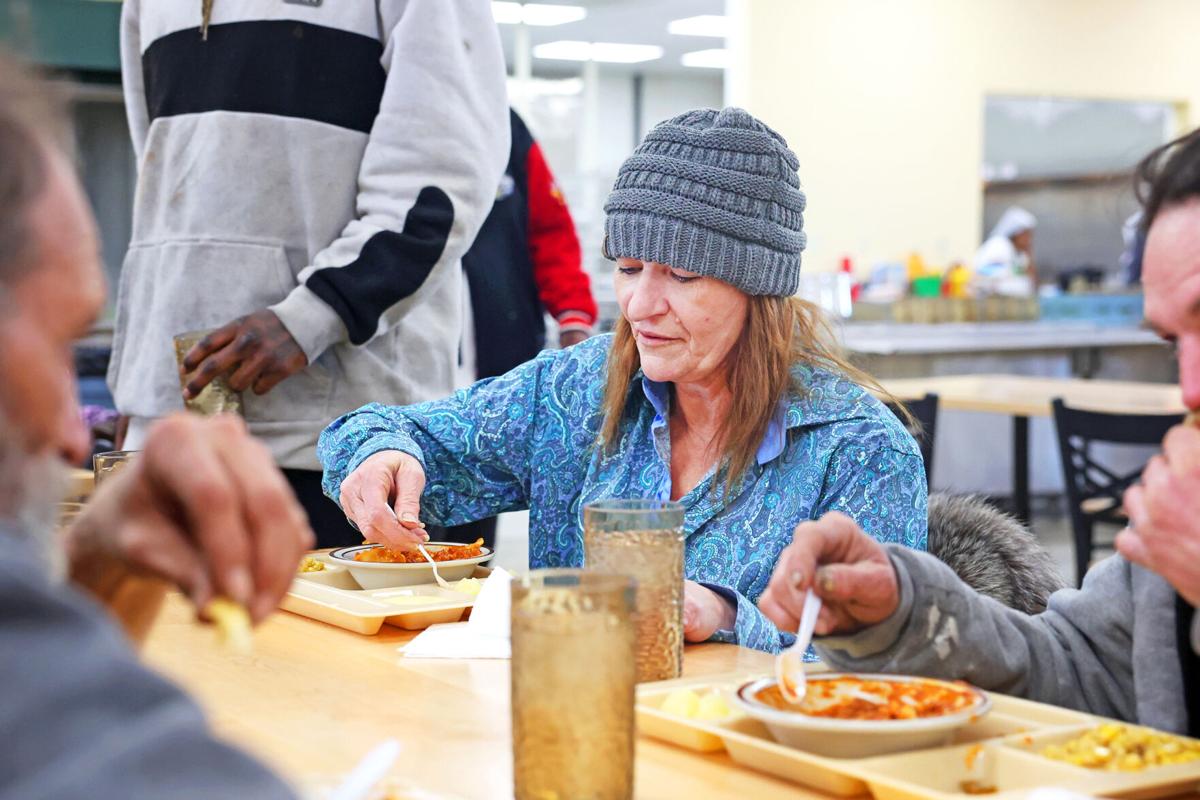
Michael Dandy and Lanii, 2, sit down to eat at the Good Samaritan Inn's Noon Meal program in Decatur on Tuesday, Dec. 16, 2025.

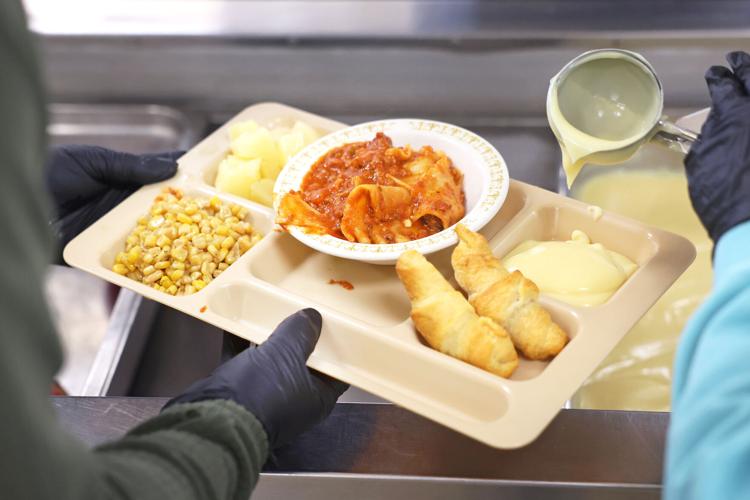
A meal of lasagna, corn, pineapple, rolls and pudding is served up Tuesday, Dec. 16, 2025, for the daily Noon Meal program at Good Samaritan Inn in Decatur.

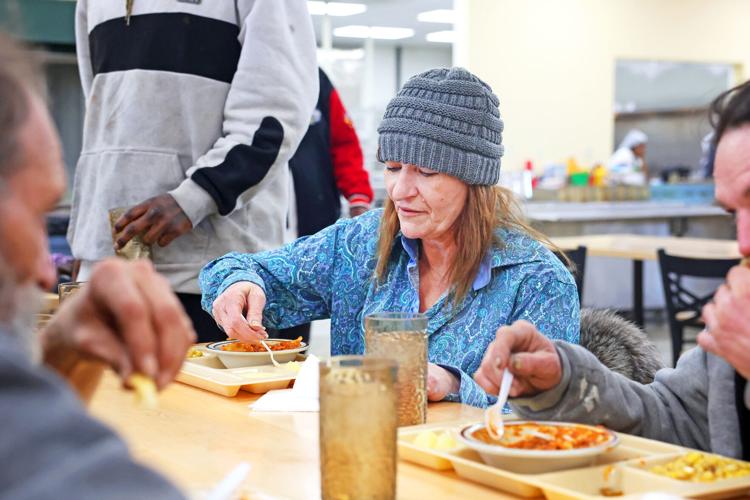
Amy Scribner receives a lunch during the Noon Meal program at Good Samaritan Inn in Decatur on Tuesday, Dec. 16.
50 facts about food insecurity in America
More kids rely on schools for lunch

The National School Lunch Program served free or low-cost lunches to 29.4 million children every day in 2019. Free lunches are distributed to children living in households at or below 130% of the poverty level; reduced-price lunches are available to those with incomes ranching from 130% to 185% of the poverty level.
You may also like: Oldest cities in America
Food insecurity is common among college students

The rates of food insecurity among college students may be anywhere from 20% to more than 50%, according to various studies conducted between 2009 and 2019. Declining resources for students, exclusion from SNAP, and limited part-time job opportunities may all contribute to hunger on college campuses.
Unemployment exacerbates food insecurity

Around 31% of households earning less than $75,000 who experienced unemployment at any point during the pandemic became food insecure, according to a July 2020 study from the National Center for Biotechnology Information (NCBI). A third of households also reported having less food to eat due to the financial impact of unemployment.
Certain veterans are more vulnerable to food insecurity

Certain subgroups of veterans face higher rates of food insecurity. One January 2020 study found food insecurity affects 28% of female veterans, 35% of former military members who have serious mental health conditions, and 49% of vets who are or have been homeless.
There’s a difference between food banks and pantries

The terms “food bank” and “food pantry” are often used interchangeably, but they actually refer to different types of organizations. A food bank is a nonprofit organization that collects and stores large amounts of food to distribute to communities. A food pantry, on the other hand, is a place where needy families can go to pick up free food in their towns or cities.
It’s better to donate money than food to pantries

While it’s tempting to drop off a bag of groceries at your local food bank or pantry, giving money is often a better way of showing support. The money allows these organizations to buy food at bulk rates that the average retail customer can’t get, thus helping the dollars go farther.
Contact Valerie Wells at (217) 421-7982. Follow her on Twitter: @modgirlreporter

Valerie Wells
Education Reporter