



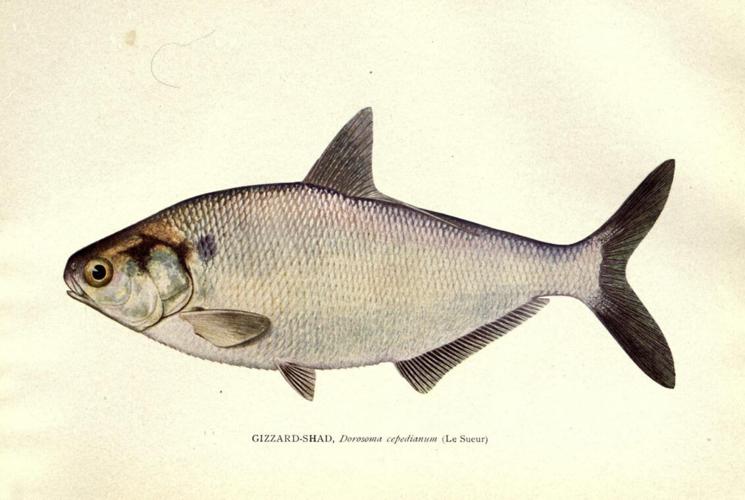
The Biodiversity Heritage Library is the world’s largest open access digital library dedicated to biodiversity literature. The University of Illinois Urbana-Champaign Library has been a member of the BHL’s global consortium since 2014 and a contributor of materials since 2007. Kelli Trei, the biosciences librarian and a professor in the University Library and the vice chair for the biodiversity library’s executive committee, was selected as the BHL transition director in 2025 after the Smithsonian Institution, which had hosted the library’s operations since its founding in 2006, announced it would cease that role. She oversaw the relocation of the library’s staff to the Council on Library and Information Resources and the servers and technical infrastructure to the Field Museum in Chicago. Trei, who recently ended her yearlong tenure as transition director, spoke with News Bureau arts and humanities editor Jodi Heckel about the library and its future.
People are also reading…
What kind of materials does the Biodiversity Heritage Library contain and how are they used?
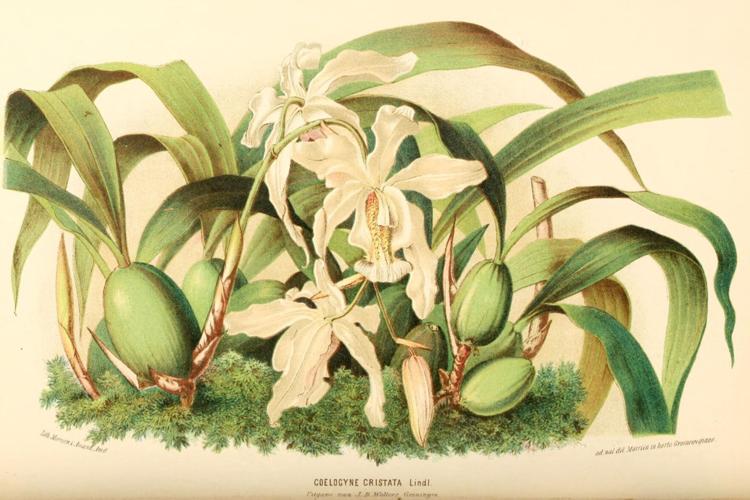
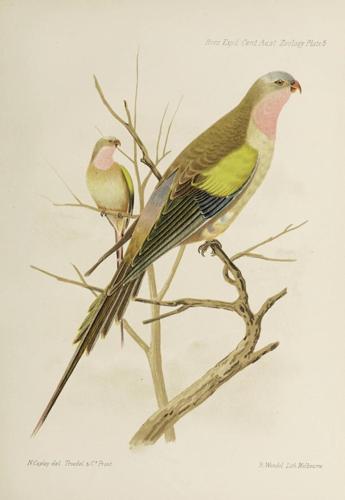
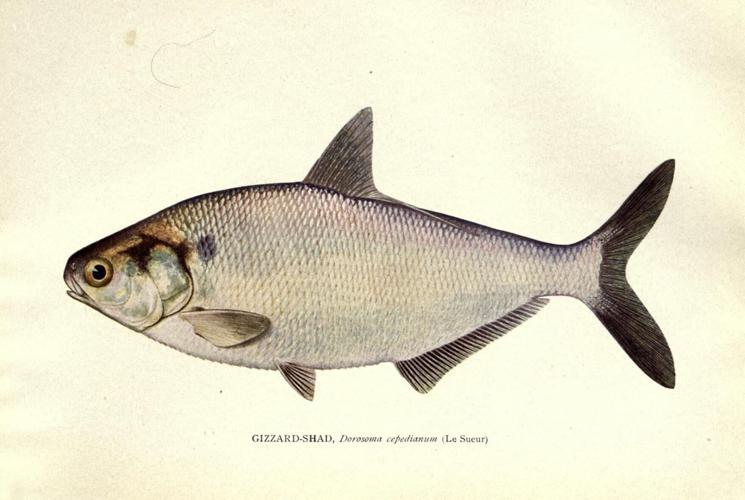
The BHL is the world’s largest open-access digital library for biodiversity literature and archives. It provides free, worldwide access to hundreds of thousands of volumes and more than 64 million pages dating from the 15th through the 21st centuries. The collection contains important data such as taxonomic works and species descriptions, seed catalogues, accession logs, expedition and voyage reports, scientific journals, field journals and scientific illustrations.
Researchers use BHL to find original species descriptions, trace changes in scientific names, understand how knowledge of particular organisms or regions has changed over time and connect historical literature with current biodiversity research. Educators use information and images from the library in their teaching, and artists have been inspired by BHL material as well.
BHL provides data, application programming interfaces and other services that allow researchers and developers to download and reuse content freely. There also are more than 300,000 high-quality images available through Flickr. At its core, the library is about making the world’s collective knowledge about biodiversity accessible to everyone, wherever they are.
Why is it important to have these materials available in one place?
While researchers with access to a library like ours at Illinois have many rare materials available to them, consolidating digitized versions of these materials from BHL partner libraries helps democratize science by making them available to anyone. While the library historically has added content through its partner, the Internet Archive, it is important that the content is curated by the staff and members as it is added to the BHL to make it discoverable. Additionally, the BHL makes use of tools created by the Illinois Natural History Survey’s Global Names Architecture team, which allow users to automatically locate, parse, verify and index scientific names across millions of pages.
This work is an important component of our open access land-grant mission, and we benefit from those special materials held by colleagues at other institutions as well. This work also has laid the foundation for more large-scale, computational work that BHL partners are now starting to do, like extracting structured, searchable data about taxa, places and specimens from across the collection. None of that is possible if the material stays fragmented across hundreds of separate institutions.
What does this transition mean for the future of the library?
For nearly 20 years, the Smithsonian hosted BHL’s staff and infrastructure. When that ended, we had to decide how to move forward considering there was no one institution in a position to take on the full project. BHL now has its own fiscal home through the Council on Library and Information Resources, which allows the BHL to do more direct fundraising. The library also welcomed three new members during the transition: Vanderbilt University’s Jean and Alexander Heard Libraries, the University of South Florida Libraries and Senckenberg Gesellschaft für Naturforschung in Germany. Both Vanderbilt and USF offered increased technical capacity, while Senckenberg helped strengthen the BHL’s membership across Europe.
The transition is not finished. BHL has bridge funding to work on a long-term model, and that work is ongoing. The technical modernization work is underway but not complete. The library, like so many other online open scientific and cultural heritage resources, is looking for long-term stability. However, we are heading into the future with new partners, more options and the desire to ensure BHL’s sustainability by leaning into our international consortium and the broad biodiversity community. If this transition taught us anything, it is that BHL has the support of a vast community as its foundation.
How has the University Library contributed to the transition?
The U. of I. has been involved with BHL for years, but this past year I was able to devote 50% of my time at Illinois to the transition director role, made possible by the University Library’s commitment to the BHL, with many people contributing to this work. Our current member representative is Prairie Research Institute librarian Emily Benton, who works closely with users of the BHL in the Natural History Survey. Library colleagues help us identify, digitize and incorporate materials from our library and archival collections into the BHL, so we may continue sharing our amazing scientific materials with the world.


