



The average American eats 32 pounds of cheese a year. The Italians eat 51 pounds, the French 53 pounds and the Greeks eat a whopping 60 pounds a year! Most of the cheese consumed in Greece is feta.
The question is why fermented dairy products are so important to food and the cultures of the world (pun intended). It’s all due to the practicality of cheese.
Cheese has been a major part of the cuisine for thousands of years. When mammals were domesticated, the production of milk became readily available. But the lack of refrigeration meant it had to be consumed immediately. Over time they figured out that if they removed the moisture from the milk, they could keep the dairy product fresh for a much longer period of time. The drier the cheese the longer the cheese could be saved.
Of course, the cooler regions of the world offered creamier cheeses with higher water content. For example, the cooler regions of France have a creamy Brie cheese and the more arid climate of Spain claims Manchego, which has almost a parmesan texture. Each of these cheeses is a wonderful option for a grilled cheese sandwich or, as I found they say around here, a cheese toasty.
People are also reading…
Cheese making was initially a practical part of food preservation, but the artistry of cheese making began in the abbeys with monks. Monks would produce cheese with flavors and styles that were indigenous to their regions. As the flavors were perfected, the news traveled by word of mouth across the countryside, and eventually, people would travel miles to purchase even a few ounces of cheese from the abbeys that were making the best cheeses.
There are a few things that any true cheese lover must know about this amazing diverse ingredient. First, if you are a connoisseur of cheese, you are a turophile.
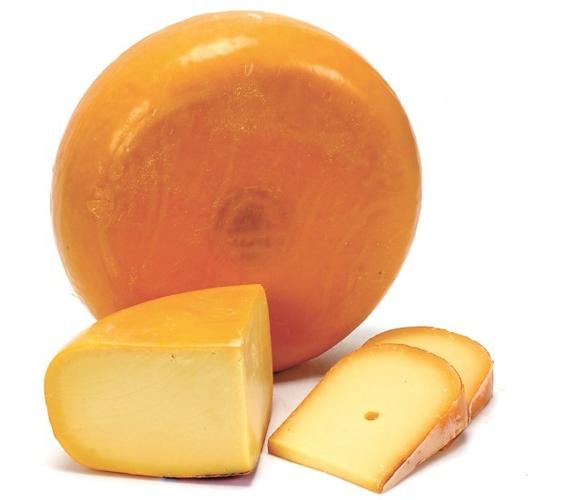
Second, there are two major classifications of cheese: with or without rind. Rinds, just like with citrus fruit, incase the cheese and protects the delicate flavors and textures inside. Some are edible and some are not. They can be fuzzy, hard or soft. Rinds can be created artificially or it can occur naturally during the aging process.
Cheese flavors are derived from broad spectrum of sources, particularly milk flavor, which results from what the animal has been eating. There are cheeses that can only be produced seasonally. Spring can offer a rich sweet cheese from the fresh green grass while fall often creates a flavor of earthiness from the drier grass and hay. The milk has different flavors, thus the cheese has a distinct flavor contrast when compared.
The available flavors, texture, history and cheese-making processes are staggering in scope. Almost every country in the world has a cheese that they call their own.
— Chef Klink
Cheddar Cheese and Ale Soup
Yields 2 quarts
Ingredients
1 ounce butter
12 ounces onions, small dice
2 ounces celery, small dice
2 ounces carrots, small dice
2 ounces flour
48 ounces chicken stock or broth
12 ounces beer, ale or a dark beer
4 ounces cream
1 pound cheddar cheese, grated
Salt to taste
Cayenne pepper to taste
Cooked popcorn as needed; about a handful per bowl
¼ teaspoon thyme
¼ teaspoon black pepper
1 bay leaf
Instructions
Cook onions, celery and carrots till soft in butter. While stirring, sprinkle in flour and mix well. Add beer, stirring well. Add stock, cream, black pepper, thyme, cheese and bay leaf. Simmer for an hour. Strain and season with salt and cayenne pepper. Serve in warm bowls garnished with popcorn.
Note: If the soup becomes too thick, thin with warmed cream.


