


SHELBYVILLE – Shelbyville High School Athletic Director Tony Pullen remembers a fall Saturday morning ritual in the pre-technology sports era.
“The high school principals would take their VHS tapes of the games on Friday and drive to meet the coach of next week’s team so they could exchange tapes,” Pullen said. “I remember my coach doing that. It was pretty time-consuming.”
Today coaches save game video online and can easily check out not only their opponents but their opponents’ opponents. Online scouting is just one of the many ways coaches are using technology to improve not only athletic importance but athletic safety.
“Developing the concussion protocol is probably the single biggest overall thing we’ve done to enhance safety,” Pullen said. “It goes across sports and it’s an important part of working to keep kids safe.”
People are also reading…
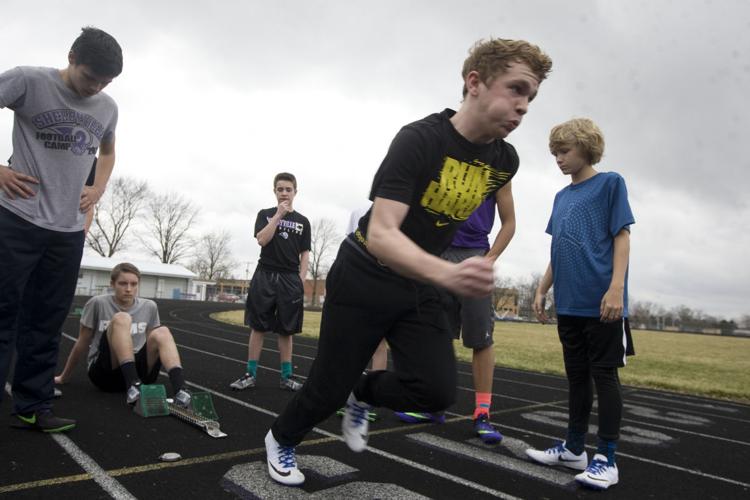
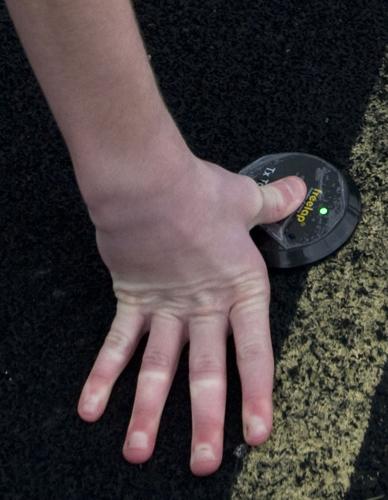
Athletic technology isn’t just about safety. It can also help athletes improve performance. At St. Teresa, Athletic Director Todd Vohland uses the computerized Freelap system to help athletes improve speed.
“It’s been a tool to help us figure out how to improve speed,” he said.
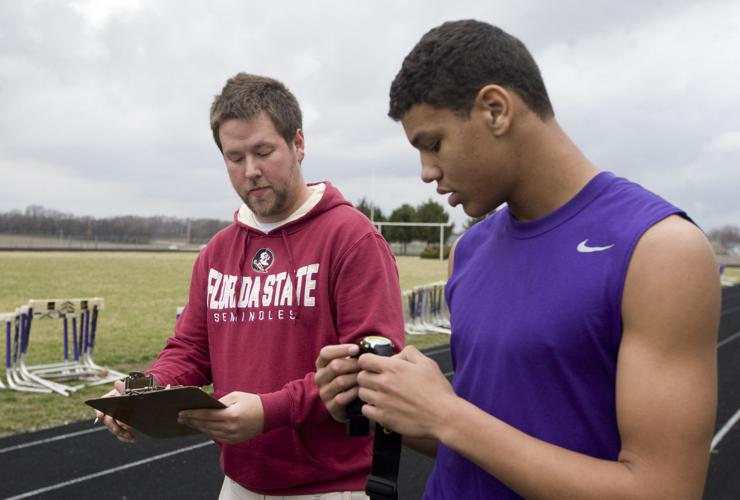
Coaches also use smartphones and iPads to record athletic performance and document improvement or areas of weakness. At Mount Zion, junior high track coach and assistant football coach Jeff Shumate said expanding technology in education includes Chromebook computers for all students and using cloud based applications to share information.
“Technology is moving everything forward,” he said.
Shumate uses computer programs to exchange game video with other football programs and video programs that provide frame by frame analysis for football, basketball and track and field.
“It improves our training,” he said. “If the athletes can see what they’re doing, they can make adjustments and do better.”
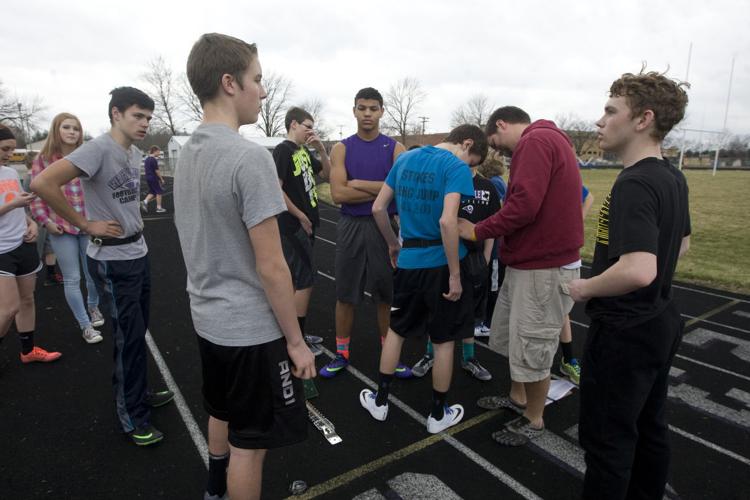
Vohland, Shumate and the Shelbyville program also use a new physical training called “athletic activation” to enhance performance. The technique involves applying pressure at specific body points to ‘activate’ muscle groups leading to speed and jumping improvement. Some area coaches and trainers not only perform the activation but have trained athletes to activate themselves.
“It’s hard to explain if you haven’t actually done it but we’ve really embraced it,” Vohland said. “It really does work to improve performance and safety. More and more kids are using it and they’re seeing the benefit.”
“You can see the difference it makes,” Shumate agreed. “We keep data on the different outcomes the athletes have and activation helps them improve their time, jump or whatever they’re doing.”
The technology and training to use it gives junior high school and high school athletes advantages that were once limited to professional or elite college programs. Vohland said the while the science has enabled athletes in all sports to improve their performance, he hoped more students would also use the technology to try new things.
“Athletics has become very specialized,” he said. “We’re moving away from multisport athletes and I think that’s a shame. Being able to be better because of the technology is good, but they can also try more things and that would be good, too.”


